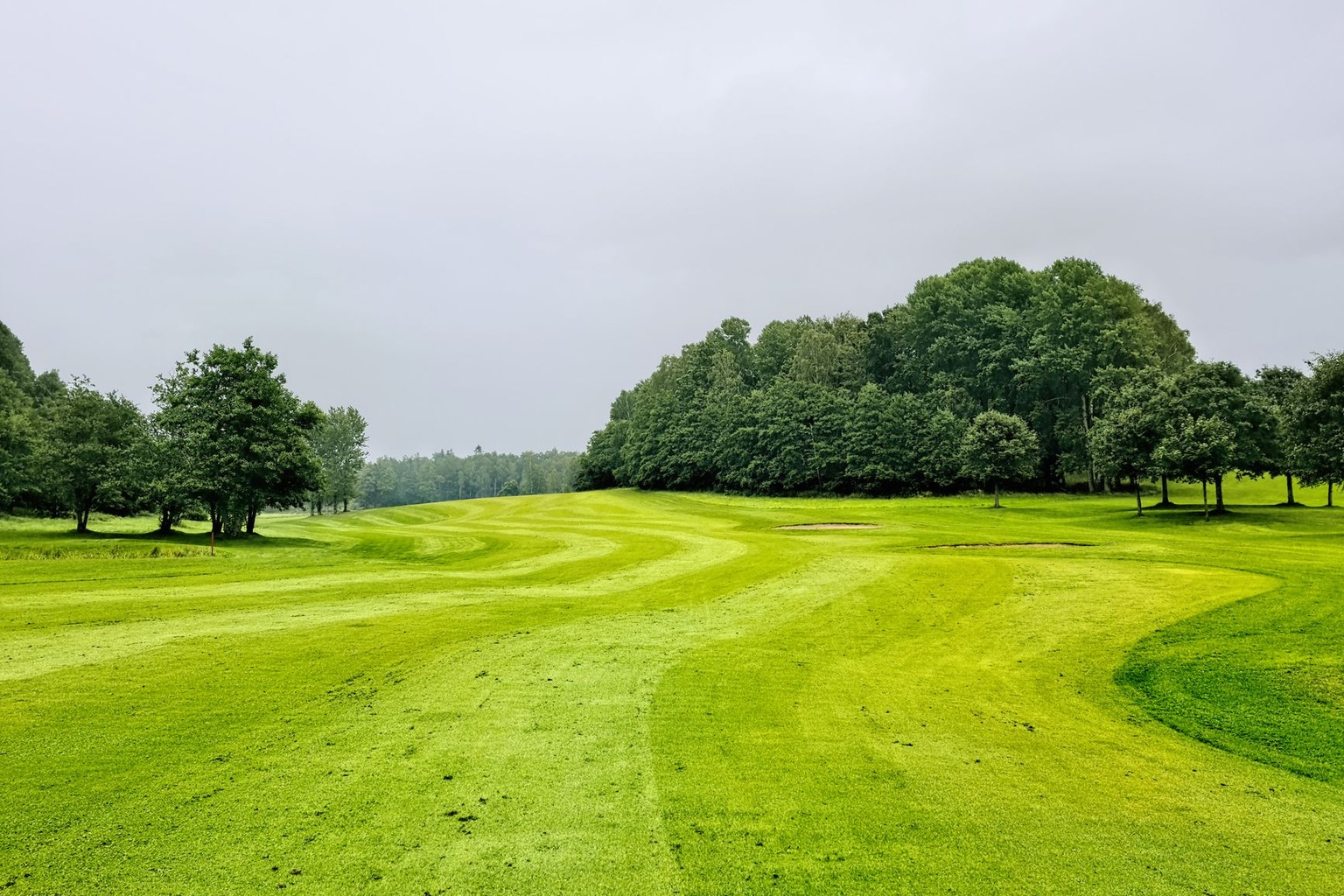
The choice between public and private access at Rush Sports Complex isn’t just about who gets in, it’s about how you train, compete, and grow in sports like polo, golf, and indoor athletic training. Whether you’re a weekend golfer looking for open tee times or a polo team securing a private court for a high-stakes match, the access model you pick will shape your experience, budget, and even your long-term progress. Public facilities offer flexibility and affordability, while private memberships deliver exclusivity and specialized amenities. The key is understanding the trade-offs before you commit, so you can align your goals with the right access tier.
Determine Your Primary Use Case for Rush Sports Complex
Before choosing between public and private membership, consider your main reason for joining Rush Sports Complex, such as participating in a recreational soccer league. Do you play recreational golf occasionally or are you a competitive polo player preparing for league matches? Your answer will dictate whether public drop-ins or private memberships make more sense. For example, if your focus is on improving your golf swing, public driving ranges and public courses often provide enough practice time without the cost of a private membership. On the other hand, polo teams or serious golfers who train year-round typically benefit from private courts or practice facilities, where they can book time without competing for slots. Even indoor athletic training, whether for soccer, tennis, or weightlifting, can be more efficient with private access, as it allows for dedicated equipment and fewer interruptions. Without clarity on your primary use case, you risk overspending on amenities you won’t use or settling for public access that falls short of your needs.
A common mistake here is assuming public access is always cheaper or private access is always better. A recreational golfer might find that public courses charge $20–$40 per round, while private clubs offer discounts for frequent play, sometimes as low as $15 per round after a membership fee. Meanwhile, a polo team might save thousands annually by securing a private court for practice, avoiding the hassle of scheduling public bookings. The key is to calculate your annual usage: if you’ll play or train fewer than 10 times a year, public access is likely the smarter choice. But if you’re aiming for league play or elite training, private access becomes a strategic investment.
Another factor to consider is the type of sports you’re involved in. Golf and polo, for instance, often require specialized equipment and space that public facilities may not provide. At Rush Sports Complex, private access includes dedicated putting greens, chipping areas, and even indoor polo arenas with artificial turf, features that are rare in public settings. Even indoor sports like tennis or basketball benefit from private courts, where you can reserve time without waiting for others to finish. Before deciding, ask yourself: Do I need specialized equipment or space that public facilities don’t offer? If the answer is yes, private access is worth exploring.
Assess the Cost Structure: Membership Fees vs. Pay-Per-Use
The financial difference between public and private access at Rush Sports Complex isn’t just about upfront costs, it’s about how those costs scale with your usage. Public facilities typically operate on a pay-per-use model, where you pay for each session, lesson, or round. For example, a public driving range might charge $15 per hour, while a private golf membership could cost $500–$1,500 annually, but include unlimited access to practice areas. The break-even point often comes after just a few dozen visits. If you’re unsure whether you’ll hit that threshold, track your spending for three months in a public setting before committing to a membership.
Private memberships often come with hidden costs beyond the base fee. Many clubs charge extra for amenities like locker rooms, pro shop access, or even green fees on certain courses. At Rush Sports Complex, private polo members might pay an additional $200–$500 per season for access to the indoor arena, while golfers could face extra fees for cart rentals or club repairs. Always ask for a detailed breakdown of all potential fees, including initiation fees, annual dues, and special assessments, before signing up. Some clubs also require you to purchase equipment (like polo mallets or golf clubs) from their pro shop, which can add thousands to your initial investment. If you’re not ready for that commitment, public access lets you rent or borrow gear as needed.
A lesser-known but critical cost factor is the opportunity cost of time. Public facilities can have long waitlists, especially during peak hours, forcing you to reschedule or pay for last-minute bookings. At Rush Sports Complex, private members often get priority access to courts and ranges, saving you hours of downtime. For example, a polo team might spend weeks trying to book a public indoor arena, while private members can reserve it for their entire season. If your sport requires frequent, uninterrupted practice, like polo or elite golf training, this time-saving benefit alone can justify the higher cost of private access.
Evaluate Amenities and Specialized Training Opportunities
The amenities at Rush Sports Complex aren’t just about comfort, they’re about performance. Public facilities are designed to serve a broad audience, which means they often lack the specialized training tools that serious athletes need. For instance, a public golf driving range might have basic mats and a few practice bunkers, while private clubs offer high-tech launch monitors, video analysis software, and even simulated weather conditions for course prep. If you’re working with a coach to refine your swing, these tools can make the difference between incremental improvements and breakthroughs. Similarly, polo teams in private arenas have access to artificial turf that mimics different field conditions, something rarely found in public settings.

Indoor sports like tennis or basketball also benefit from private access. Public courts are often shared, leading to interruptions and limited availability. At Rush Sports Complex, private members can book entire courts for private lessons or team practices, which is essential for drills that require continuous play. For example, a volleyball team preparing for a tournament might need four uninterrupted hours to work on serves and sets, a request that’s nearly impossible to fulfill on public courts. Private access also means access to specialized equipment, like high-tech courts with pressure-sensitive flooring or indoor climate control for year-round training. If your sport demands precision and consistency, these amenities are worth the investment.
Another advantage of private access is the ability to tailor training to your specific needs. Many private clubs at Rush Sports Complex offer personalized coaching plans, nutritional guidance, and even physical therapy services. For instance, a golfer recovering from an injury might need a private practice session with a physical therapist to rebuild strength without the distractions of a public facility. Meanwhile, polo players can work with specialized trainers to refine their riding and ball-handling skills in a controlled environment. Public facilities rarely offer this level of customization, leaving you to seek out additional services on your own.
Understand the Social and Networking Benefits of Private Clubs
The social aspect of sports is often underestimated, but it can be just as important as the physical training itself. Private clubs like Rush Sports Complex foster communities where members develop long-term relationships with fellow athletes, coaches, and even business partners. For example, many polo players form partnerships within their clubs, leading to collaborations that span beyond the sport, such as real estate deals, business ventures, or even political connections. These networks can open doors that public facilities simply can’t match. If your goal is to grow professionally while staying active, the right private club can become a valuable asset.
Networking isn’t limited to polo or golf, it extends to indoor sports as well. Private gyms and training facilities often host social events, workshops, and even charity tournaments that bring members together. At Rush Sports Complex, private members might have access to exclusive events like pro-am golf tournaments, polo clinics with former professionals, or fitness challenges with celebrity trainers. These experiences can elevate your social status in the sports world and even attract sponsors or media attention. Public facilities, while welcoming, don’t offer the same level of exclusivity or curated social opportunities.
However, private clubs aren’t for everyone. Some athletes thrive in the collaborative, high-energy environment of public facilities, where they can meet a diverse range of people without the pressure of exclusivity. If you’re new to a sport or prefer a more casual atmosphere, public access might be the better fit. The key is to weigh whether you value the long-term connections and prestige of a private club over the flexibility of a public setting. For those who do, the networking benefits alone can make private access a worthwhile investment.
Plan for Seasonal and Peak Usage Demand
Demand for sports facilities fluctuates dramatically with the seasons, and private access gives you control over those fluctuations. At Rush Sports Complex, public courts and ranges fill up quickly during peak seasons, summer for golf, fall for polo, and winter for indoor training. If you’re a golfer planning a summer round, you might face waitlists or last-minute price hikes for public tee times. Private members, on the other hand, can reserve their preferred times months in advance, ensuring availability even during the busiest months. This predictability is especially critical for teams or athletes with fixed training schedules, like college athletes or professional players.

The same logic applies to indoor sports. During cold months, public gyms and tennis courts become overcrowded, leading to longer wait times and limited availability. Private members at Rush Sports Complex can lock in their preferred hours, whether it’s early mornings for weightlifting or evenings for team practices. This consistency is invaluable for athletes who need to maintain a strict routine. For example, a basketball team preparing for a league season might need to practice three times a week, which is nearly impossible to schedule on public courts without conflicts. Private access eliminates that uncertainty.
A lesser-discussed but critical factor is the impact of peak demand on equipment availability. Public facilities often have limited gear, leading to delays or the need to share equipment. Private clubs, however, typically have dedicated inventories of clubs, balls, and other supplies, ensuring you always have what you need. For instance, a polo team might need to borrow mallets from a public facility, risking damage or misalignment, while private members can use their own high-quality gear without restrictions. This reliability is a game-changer for serious athletes who refuse to compromise on equipment quality.
Negotiate Terms and Avoid Common Pitfalls
Once you’ve decided between public and private access, the next step is negotiating the terms to avoid hidden costs or restrictive clauses. Many private clubs at Rush Sports Complex have fine print that limits your ability to transfer memberships, sublet access, or even cancel without penalties. Before signing, ask for a clear breakdown of all fees, including initiation fees, annual dues, and special assessments. Some clubs also require you to purchase equipment or apparel from their pro shop, which can add thousands to your initial investment. If this is a dealbreaker, look for clubs that allow outside equipment or offer rental options.
Another common pitfall is assuming that private access guarantees unlimited flexibility. Some clubs have strict rules about how you can use their facilities, such as limiting private lessons to certain hours or requiring approval for team practices. At Rush Sports Complex, private members should review the club’s usage policies to ensure they align with their needs. For example, a polo team might need to practice at odd hours, which some clubs prohibit unless you pay for additional privileges. Always clarify these terms upfront to avoid surprises later.
If you’re considering a private membership but want to test the waters first, some clubs offer trial periods or guest passes. At Rush Sports Complex, private members might get a one-month pass to evaluate the amenities before committing to a full membership. This allows you to experience the benefits of private access, like dedicated courts and coaching, without the long-term commitment. It’s also wise to speak with current members about their experiences, including any frustrations with the club’s policies or amenities. Their insights can help you make a more informed decision.

I’ve been playing golf and polo since college and love the camaraderie of a well‑run sports complex. When I’m not on the green, I’m in the gym working on strength and flexibility, and I enjoy sharing tips and stories with fellow enthusiasts.